
The Pregnancy Hub

14 weeks pregnant

Get to know your growing baby and the changes you may be feeling.

Choose your week

Week 14

Know your due date?

Enter the due date from your care team to find your estimated week today. Your date stays in this browser tab.

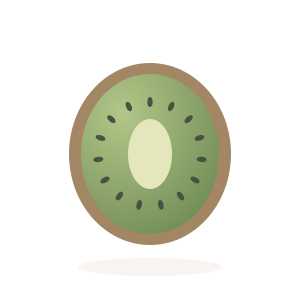
Illustration of a kiwi

Second trimester

About the size of

a kiwi

Approximate length

3.3 in / 8.5 cm Head to bottom

Your baby

Your baby's head is becoming rounder and more in proportion with the body. Small amounts of amniotic fluid are swallowed, and the kidneys produce urine that returns to the fluid around the baby. The placenta and umbilical cord support the exchange of nutrients, oxygen and waste as development continues.

Your body

Your breasts may feel fuller, heavier or tender, and the skin around the nipples may darken. Changes happen at different times for different people. A well-fitting, supportive bra may make everyday activities more comfortable. Breast size or how much change you notice during pregnancy is not a reliable way to predict your future feeding experience.

This week

Understanding breast and body changes

Note any breast symptoms you want to discuss, especially a new lump, unusual discharge or skin change. Your clinician can help distinguish common pregnancy changes from something that needs assessment. If you are thinking about feeding after birth, it is fine to start asking questions now without making every decision immediately. Mention any previous breast surgery or feeding difficulty so support can be planned around your history. You can also ask which products you use on your skin or nipples are appropriate during pregnancy rather than assuming a familiar product is suitable.

Explore prenatal care

Looking ahead

A question for your next visit

Which breast changes should I expect, and which ones should I have checked?

Browse pregnancy weeks

A little context for these comparisons

These are approximate sizes for each week, not measurements of your baby. Babies and produce both come in different sizes, and the illustrations are not shown to scale.

Before week 20, length is measured from head to bottom. From week 20, it includes the legs, from head to heel. That change explains the jump in length between weeks 19 and 20.

When to get help

Seek medical care right away for warning signs such as a severe or persistent headache, vision changes, chest pain, trouble breathing, severe belly pain, vaginal bleeding, leaking fluid, or thoughts of harming yourself or your baby. These are examples, not a complete list. If you cannot reach your care team, seek urgent medical care. Call 911 for a medical emergency.

Read the CDC urgent maternal warning signs (opens in a new tab)
About this guide

Approximate measurements and development information draw on the NHS weekly guides. Linked US health resources support care and preparation topics. The topics are suggestions for discussion, not a schedule of required appointments or tests. Your own care plan may differ.

Every pregnancy is different. Your care team can help you understand your baby’s growth and any symptoms you’re experiencing.