
The Pregnancy Hub

31 weeks pregnant

Get to know your growing baby and the changes you may be feeling.

Choose your week

Week 31

Know your due date?

Enter the due date from your care team to find your estimated week today. Your date stays in this browser tab.

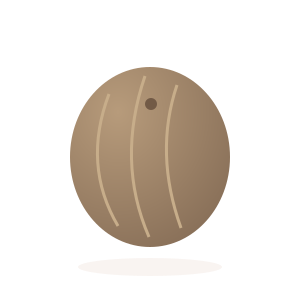
Illustration of a coconut

Third trimester

About the size of

a coconut

Approximate length

16.2 in / 41.1 cm Head to heel

Your baby

Your baby continues putting on weight and may recognize familiar voices from outside the uterus. Movements, swallowing and other developing abilities continue alongside growth. The amount of amniotic fluid also changes during pregnancy. A coconut illustration offers a rough comparison, but your baby does not need to look like a picture or match its proportions.

Your body

Your bump continues growing, and you may notice that everyday movements require more planning. People carry pregnancies differently, so another person's appearance is not a reliable comparison. If you are worried that your bump seems small or large, ask how your clinician is assessing growth rather than relying on comments or photographs.

This week

Understanding growth checks

At your visit, ask what information is being used to follow your baby's growth and whether any additional assessment is recommended. Depending on your situation, this may include examination, measurements or ultrasound. An estimated size is not the same as knowing an exact birth weight. Ask how a result fits with previous findings and what would lead to a change in the plan. If extra monitoring is suggested, clarify what it is checking and when you will discuss the outcome. Keep reporting changes in usual movement promptly, even if a recent growth assessment was reassuring.

Explore prenatal care

Looking ahead

A question for your next visit

How are we following my baby's growth, and what would make additional monitoring useful?

Browse pregnancy weeks

A little context for these comparisons

These are approximate sizes for each week, not measurements of your baby. Babies and produce both come in different sizes, and the illustrations are not shown to scale.

Before week 20, length is measured from head to bottom. From week 20, it includes the legs, from head to heel. That change explains the jump in length between weeks 19 and 20.

When to get help

If your baby’s usual movements slow down, stop, or change, contact your maternity care team right away.

Seek medical care right away for warning signs such as a severe or persistent headache, vision changes, chest pain, trouble breathing, severe belly pain, vaginal bleeding, leaking fluid, or thoughts of harming yourself or your baby. These are examples, not a complete list. If you cannot reach your care team, seek urgent medical care. Call 911 for a medical emergency.

Read the CDC urgent maternal warning signs (opens in a new tab)
About this guide

Approximate measurements and development information draw on the NHS weekly guides. Linked US health resources support care and preparation topics. The topics are suggestions for discussion, not a schedule of required appointments or tests. Your own care plan may differ.

Every pregnancy is different. Your care team can help you understand your baby’s growth and any symptoms you’re experiencing.